
How Do I Secure a Construction Site Overnight Without Power or Internet?
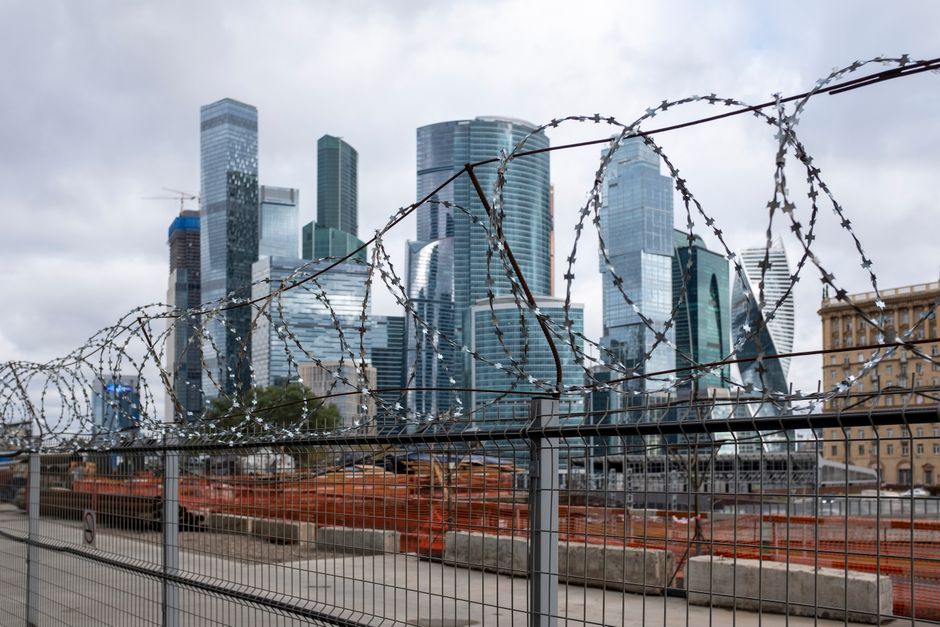
Secure a temporary site with layers: close and inspect the perimeter, lock tools in reinforced storage, immobilise machines, position heavy plant to block removal, and use battery, solar, or recording-only monitoring with a power-loss backup. Finish each shift with an inventory, key control, and documented contact plan. One lock protects an object. A layered plan protects the site.
How do I secure a construction site overnight when there is no electricity?
Build the overnight plan around controls that still work when the grid and fixed internet do not. The Chubb Risk Engineering construction-site checklist calls for a written, site-specific plan, named supervisory responsibility, active inventories, and a backup for cameras, lights, and intrusion detection during power loss.
Start at the edge. Limit access points, inspect fencing, lock every vehicle and pedestrian gate, and post no-trespass signs. Chubb places lighting priority on the perimeter, entrances, vehicle gates, machinery, material storage, trailers, containers, and centralized storage. Where power is limited, reserve battery or solar lighting for these choke points and use motion activation in sensitive areas.
Then make removal slow. Put valuable tools and portable plant inside the fenced area and away from the street. Close containers with deadbolts or auxiliary locks, lock guards, protected windows, non-removable bolts, and non-removable exterior hinge pins. Position mobile equipment in front of container doors after the final load-out.
The plan should name a fallback state. If a camera loses charge, the site still has locked storage, closed gates, marked assets, disabled equipment, and an after-hours contact. Technology sees. Physical controls delay.
| Layer | Overnight action | Failure it addresses |
|---|---|---|
| Perimeter | Inspect fencing, minimize entrances, lock gates, post signs | Easy site access |
| Storage | Use reinforced trailers or containers; keep valuables inside the fence | Fast removal of tools and materials |
| Equipment | Remove keys, use wheel clamps, chains, kill switches, fuel shut-offs, or fuse removal | Machine mobility |
| Layout | Use larger machinery to block smaller plant, stores, and container doors | Direct vehicle access |
| Monitoring | Use solar, battery, cellular, or recording-only cameras with a backup plan | Loss of fixed utilities |
What is the best way to stop tools being stolen from a jobsite?
The best method is to make tools hard to reach, hard to remove, hard to sell, and easier to identify after theft. The National Insurance Crime Bureau reports that nearly 1,000 pieces of commercial equipment are reported stolen to the National Crime Information Center each month, estimates annual theft costs from $300 million to $1 billion, and places recovery below 20 percent.
That recovery figure changes the order of work. Prevention comes before recovery. Lock portable tools in secured storage, restrict who holds keys, and keep a current inventory of high-value items. Photograph each asset, record its product identification number and component serial numbers, and keep the records where a theft cannot take them.
The NICB recommends visible engraving or marking and a centralized archive of photos, identification numbers, and serial records. Marking does not stop a thief at the gate. It gives a report, a recovery effort, and a resale check something concrete to work from.
Arrange plant with intent. For overnight parking, NICB recommends a wagon-train circle: generators and compressors sit inside a ring of larger, harder-to-move machinery. Chubb reaches the same practical result when it recommends positioning mobile equipment as a barrier in front of storage-container doors.
Disable the asset before leaving. NICB lists hidden fuel shut-offs, removed fuses or circuit breakers, ignition or electrical disabling, lock-out devices, and tracking or recovery devices. Construction Industry Theft Solutions adds full immobilisers and hydraulic locks where possible. A tracker is a recovery layer, not a gate, lock, or brake.
Keep the close-down sequence fixed:
- Reconcile tools and equipment against the active inventory.
- Remove ignition keys and secure them under assigned control.
- Apply immobilisation, wheel clamps, chains, fuel shut-offs, or fuse removal where appropriate.
- Move larger plant to obstruct smaller equipment and container access.
- Lock gates and storage, then record any fault or missing item before departure.
The Office of Justice Programs guide on construction-site burglary describes effective prevention as practical opportunity blocking. It also supports site-specific planning, after-hours police contacts, and documentation for stolen tools and appliances. The site type changes. The principle does not.
Are solar security cameras reliable for a temporary construction site?
Solar security cameras are reliable only as one monitored layer with a written backup for lost power and interrupted connectivity. They fit temporary sites because they avoid a fixed electrical connection, yet their usefulness depends on camera placement, available charging conditions, storage or transmission method, and the physical controls that remain when the camera is unavailable.
Choose the setup by the decision it must support. A recording-only camera creates a record when no internet service is available. A cellular camera can send alerts where cellular service is present. A solar or battery-powered unit serves sites without fixed electricity. None replaces locked storage, immobilisation, or a closed perimeter.
Place cameras where a person or vehicle must pass: gates, trailer doors, containers, machinery storage, and material areas. This follows Chubb's priority list for lighting and security attention. A camera aimed at open ground records space. A camera aimed at an access route records a decision.
Do not treat a live connection as proof of security. Construction Industry Theft Solutions warns that criminals can scan for and disable trackers with live SIM activity and can use GPS or GSM jammers. Its guidance favors marking, immobilisation, and tracking together rather than tracking alone. The same design logic applies to connected cameras: preserve physical barriers and asset records when electronic systems fail.
Cost control comes from sequencing, not from stripping away layers. A night guard, a surveillance trailer, cameras, trackers, locks, and marking do different work. Public sources provided here do not set comparable prices for these options. A contractor can still choose rationally: first secure entry and storage, then immobilise and arrange equipment, then add monitoring where it improves response or documentation.
California's 2024 vehicle-theft report gives the threat a hard edge. It records 8,944 thefts in its other-vehicle category, which includes farm equipment, construction equipment, and special-construction vehicles, up 28.30% from 6,971 in 2023. The California Highway Patrol states that construction equipment is targeted for its high resale value, popularity, and availability. Availability is a layout problem. Reduce it at the close of every shift.
Frequently Asked Questions
Should I use GPS trackers, cameras, or immobilisers for construction equipment?
Use all three as separate layers with separate jobs. Immobilisers and fuel or electrical shut-offs make removal harder; cameras document activity; trackers support recovery after theft. Construction Industry Theft Solutions says a layered approach combining marking, immobilisation, and tracking is more resilient than tracking alone.
How can I secure a jobsite trailer and equipment without hiring a night guard?
Reduce entry points, secure gates after hours, reinforce trailer doors and windows, and lock valuables in a protected area inside the fence. Use mobile equipment as a barrier before container doors, remove ignition keys, and assign one supervisor to verify the close-down. Chubb also calls for a backup plan for electronic security when power is lost.
What should be on an end-of-day construction site security checklist?
The checklist should cover gates, fencing, signs, trailers, containers, keys, tools, machine immobilisation, equipment position, material storage, photos, serial records, and after-hours contacts. Record exceptions before workers leave. A checklist is not paperwork after the fact; it is the last physical control of the day.
Sources
- National Insurance Crime Bureau, Commercial Equipment Theft
- Chubb Risk Engineering, Construction Site Security Checklist
- Office of Justice Programs, Burglary of Single-Family House Construction Sites
- California Highway Patrol, 2024 California Vehicle Theft Facts
- Construction Industry Theft Solutions, Theft Guide
Read next

How Can Wedding Venue Owners Fill Empty Weekdays With Recurring Bookings?
A practical framework for turning empty weekday venue dates into recurring meetings, workshops, arts events, shoots, and community bookings.
How Can a Small Metal Fabrication Shop Win Steady, Higher-Value B2B Work?
A practical plan for metal fabrication shops seeking repeat B2B production, contract, and subcontract work without competing on price alone.